Important AC Replacement Basics to Know
As summer approaches, ensuring the home is equipped with a reliable and effective air conditioning system becomes crucial. Many homeowners delay replacing their AC units, unaware of how advances in technology can contribute to significant savings and increased comfort. Understanding the basics of air conditioner replacement can guide informed decisions that benefit both the household budget and overall comfort.
Signs to Replace an Air Conditioner
Recognizing when to replace an air conditioner is pivotal to ensuring efficient home cooling. Several indicators can signal it’s time for an upgrade:
- Age Over 10 Years: AC units typically last between 10 and 15 years. Aging units are more likely to experience performance issues and frequent breakdowns. Technological advancements mean newer models can offer improved efficiency and lower operational costs compared to those over a decade old.
- High Energy Bills: Older units often become less energy-efficient over time, resulting in higher energy bills. Upgrading to a modern system with high SEER (Seasonal Energy Efficiency Ratio) ratings can significantly reduce energy consumption and expenses.
- Frequent Repairs: If repair costs are mounting and the unit requires frequent service calls, replacing the air conditioner is often more financially viable than continuous repairs. Consistent breakdowns indicate the system may be nearing the end of its useful life.
- Inadequate Cooling: Units that can no longer maintain comfortable temperatures or cycle properly are likely failing. Replacement can restore a consistent climate and improve overall home comfort.
Identifying these signs early can help homeowners transition to a more reliable and efficient air conditioning system without unnecessary delays.
Advantages of Replacing an Old AC Unit
 Updating an outdated air conditioner brings numerous benefits that extend beyond immediate savings on energy bills:
- Improved Energy Efficiency: New AC models use advanced technologies to operate more efficiently, reducing energy consumption and environmental impact. Choosing a system with a high SEER rating ensures more cooling for each dollar spent.
- Lower Cooling Costs: Efficient units decrease monthly utility bills by reducing electricity use. Over time, the savings offset the initial investment in a new system.
- Fewer Repair Costs: A new unit eliminates frequent repair calls, saving money and providing peace of mind. Modern systems generally require less maintenance and are more reliable than their older counterparts.
- Enhanced Comfort: Modern air conditioners offer better temperature control, improving comfort throughout the home. Features like variable speed motors and smart thermostats ensure even cooling and minimize hot spots.
- Better Indoor Air Quality: New units often include improved filtration options for reducing allergens, dust, and pollutants, leading to healthier indoor air.
- Customizable Sizing: A replacement offers an opportunity to assess cooling needs and select an appropriately sized unit, which ensures optimal performance and efficiency based on the home’s current requirements.
The benefits of upgrading to a new air conditioner extend well beyond initial savings, offering lasting improvements in comfort and air quality.
Choosing a Type of AC System
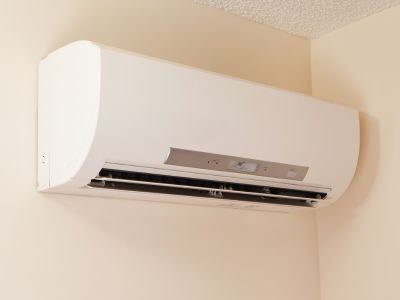 When selecting a new air conditioning system, homeowners usually choose between a central air system and a ductless mini-split system. Each type has distinct advantages and challenges:
Central Air Systems:
- Pros: Lower initial installation cost if ductwork is already in place; provides uniform cooling throughout the entire home; often preferred for aesthetic reasons due to its hidden ductwork.
- Cons: Energy loss through duct leaks can increase energy bills. Duct maintenance is required for optimal efficiency and air quality. Additionally, duct systems may lack flexibility for zoning or customized temperature control.
Ductless Mini-Split Systems:
- Pros: Offer higher energy efficiency by eliminating ductwork-related losses; provide flexibility with zoning, allowing for independent temperature control in different areas or rooms; ideal for homes without existing ductwork, thereby reducing renovation costs.
- Cons: Higher upfront installation costs; some homeowners find the indoor units less aesthetically pleasing; additional units may be required for larger homes or more spaces.
Making the decision to replace an outdated air conditioning unit can lead to significant improvements in both financial savings and home comfort. Choosing between these systems involves weighing installation costs, long-term energy savings, and personal preferences to select the best fit for individual cooling needs.
About Eric Kjelshus Energy Heating and Cooling
Eric Kjelshus Energy Heating and Cooling is the #1 heating and cooling services company in the Kansas City Metro Area. They have N.A.T.E.-certified technicians. Call them now for air conditioner replacements in Greenwood, MO.